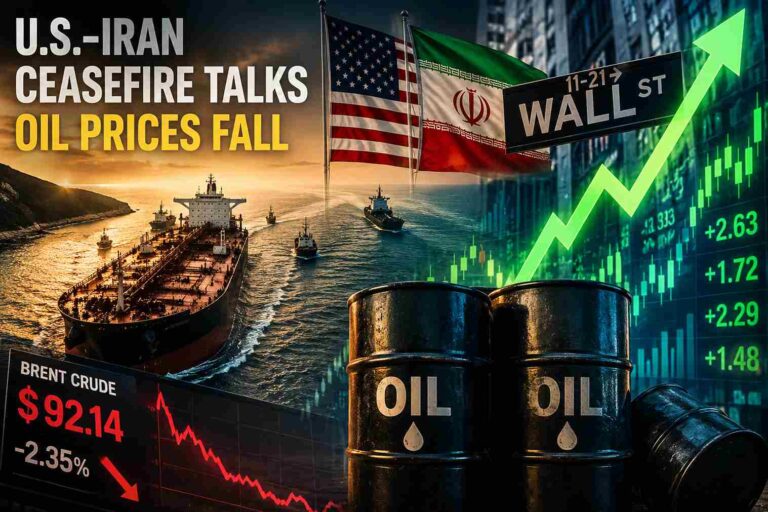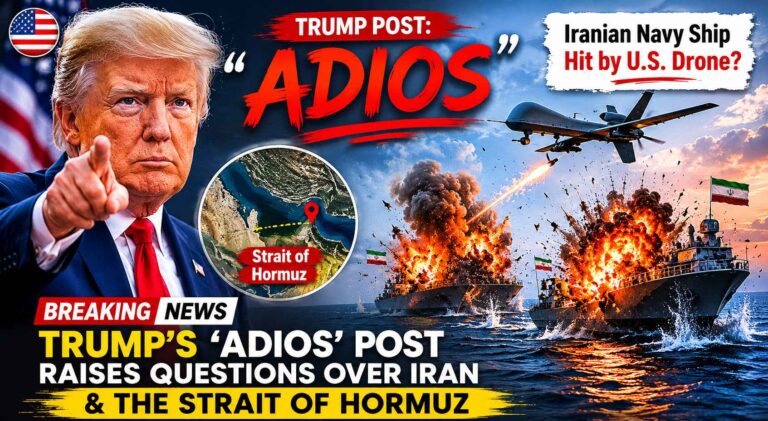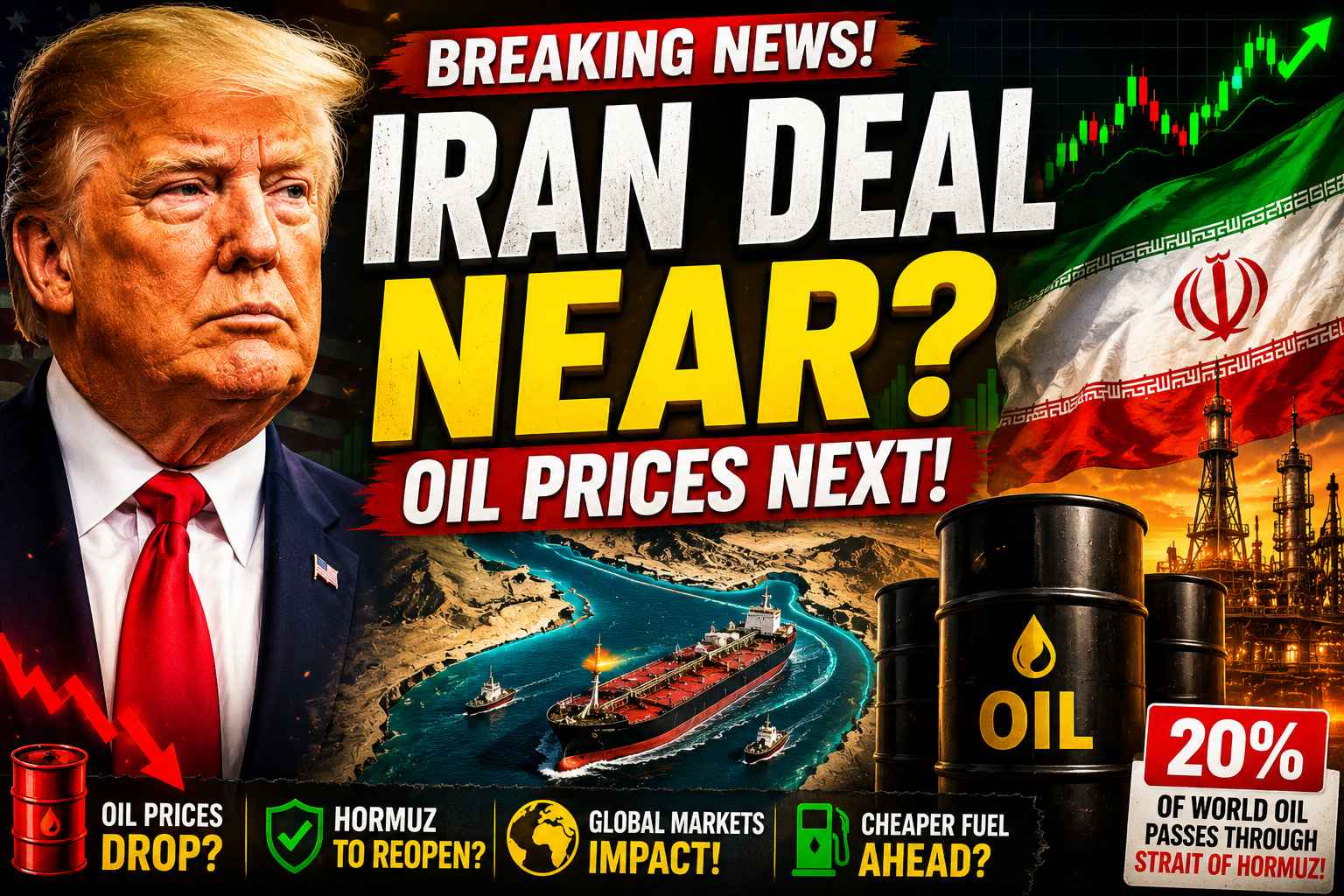
President Trump says a major Iran deal is close to completion, raising expectations of lower oil prices and renewed stability in global energy markets.
Trump Says Iran Deal Is Near: Why Oil Markets Are Watching Closely
A major breakthrough in the months-long U.S.-Iran conflict may be imminent, setting the stage for a dramatic shift in global geopolitics. President Donald Trump has publicly announced that a comprehensive peace agreement is “largely negotiated” and that direct talks are expected “very soon.” The proposed diplomatic framework reportedly aims to formally halt hostilities and reopen the Strait of Hormuz, the world’s most critical maritime oil transit chokepoint.
According to Google Trends, search interest for the “Iran Deal” has surged sharply over the last 24 hours as global markets brace for the impact. A finalized deal could drastically lower gas prices, while a sudden collapse in negotiations may trigger renewed military escalation and severe supply chain disruptions.
Key Numbers Investors Should Watch
To understand the immediate gravity of these developments, here is a breakdown of the key metrics driving the current news cycle:
| Key Metric | Why It Matters |
|---|---|
| 20% | The estimated volume of the global oil supply that physically passes through the Strait of Hormuz daily. |
| 24 Hours | The period of intense search interest growth following the initial announcement. |
| 1 Deal | The potential comprehensive diplomatic agreement currently under high-level negotiation. |
| Crude Oil Price | The single most sensitive financial indicator directly impacted by the success or failure of these talks. |
What Trump Actually Said
The current media focus originated from a series of direct statements made by President Donald Trump. Multiple international news organizations reported that the President confirmed a comprehensive agreement to ease Middle East tensions is nearing the finish line.
“An agreement has been largely negotiated, subject to finalization,” Trump stated, emphasizing that the final aspects of the deal are currently being discussed behind closed doors. Most importantly for the global economy, the President highlighted that “the Strait of Hormuz will be opened” as a foundational pillar of the impending peace deal.
Regional media outlets covering the live developments noted that Trump expects the final round of talks to happen shortly. These statements mark the most definitive sign of diplomatic progress since the conflict escalated, suggesting that backdoor negotiations mediated by regional allies may have produced a viable framework for a long-term ceasefire.
What Iran Has Said So Far
While Washington broadcasts optimism, the geopolitical reality in Tehran remains cautious. Iranian officials and state-affiliated media have presented a much more guarded narrative to their domestic audience, warning against premature celebrations.
According to diplomatic observers, Iranian negotiators have insisted throughout the conflict that any agreement regarding the Strait of Hormuz must acknowledge Iran’s sovereign rights over the waterway. This semantic difference—between America’s demand for absolute “free passage” and Iran’s demand for “sovereign management”—represents a significant diplomatic hurdle.
Furthermore, reports indicate Tehran is demanding broad sanctions relief and an end to hostilities on all regional fronts before committing to long-term maritime concessions. The fragile nature of these demands indicates that while the deal may be largely negotiated, finalizing the technical language will dictate whether the framework ultimately succeeds.
Why This Matters Beyond the Headlines
The outcome of these negotiations acts as a massive lever on the global economy, directly influencing fuel costs, international shipping, and broader financial markets.
Impact on Fuel Prices: When the Strait of Hormuz faces active military threats, crude oil prices historically surge. If the United States and Iran finalize this peace deal, the resumption of secure oil shipments is likely to flood the market with delayed supply. This influx naturally drives down the global spot price of crude, which may reduce gas prices at the pump for everyday consumers.
Shipping and Logistics: The conflict previously forced commercial shipping companies to suspend transit or pay exorbitant war-risk insurance premiums for vessels entering the Persian Gulf. Reopening the Strait restores the central artery of global maritime trade. Analysts frequently look to previous Hormuz crisis oil shocks to model how swiftly normalizing these shipping routes can alleviate severe supply chain bottlenecks.
Market Reaction: Stock markets thrive on predictability. News of a negotiated settlement signals a return to risk-on investing. If the deal holds, sectors reliant on global supply chains could see immediate financial relief. Currency markets are also reacting to shifting macroeconomic expectations, mirroring the broader volatility recently observed in the EUR/USD exchange rate as traders attempt to price in changing global risk factors.
Iran Deal Timeline
To provide context on how rapidly this diplomatic situation is evolving, here is a brief timeline of the recent conflict:
| Timeframe | Event |
|---|---|
| February 2026 | Conflict escalates heavily in the Gulf region, disrupting maritime trade. |
| April 2026 | A temporary ceasefire begins, halting immediate hostilities. |
| Recent Weeks | Backdoor diplomatic negotiations intensify among regional allies. |
| Today | Trump publicly announces the agreement is “largely negotiated.” |
| Next Steps | Final talks are expected very soon to formalize the treaty. |
What Happens Next
The next several days are critical for the global economy. Diplomatic teams are expected to finalize the technical language of the agreement, particularly regarding the exact enforcement mechanisms for maritime security in the Strait of Hormuz.
If the final draft is approved by both Washington and Tehran, an official announcement could come from the White House shortly thereafter. This is likely to trigger a positive reaction in global equities and a corresponding drop in crude oil futures. Conversely, if negotiations collapse over the technical management of the Strait or lingering regional disputes, a return to military posturing is possible, which could send oil prices surging once again.
Frequently Asked Questions (FAQ)
What is the Strait of Hormuz?
The Strait of Hormuz is a narrow, highly strategic waterway located between Oman and Iran. It connects the Persian Gulf to the open ocean and is considered the world’s most important oil chokepoint, with roughly 20% of global oil consumption passing through it daily.
Has the Iran Deal been signed?
No. As of the latest updates, President Trump stated the deal is “largely negotiated” and that final talks are expected soon, but an official, binding treaty has not yet been signed by the involved parties.
Could oil prices fall?
Yes. Many analysts believe that a verified, diplomatic reopening of the Strait of Hormuz could ease global supply fears, which is likely to trigger a decline in the global spot price of crude oil.
What happens if talks fail?
If negotiations collapse, military posturing will likely resume. Commercial shipping companies would face continued threats, leading to sustained high insurance premiums, disrupted global supply chains, and spiking crude oil prices.
How does this affect consumers?
The cost of crude oil dictates the price of gasoline and transportation logistics. Cheaper oil generally lowers transportation costs for goods, which can help reduce overall consumer inflation at the grocery store and the gas pump.
Editorial Note:
This article is based on publicly available information, official government statements, and verified international reporting available at the time of publication. Geopolitical negotiations are highly fluid, and details may change as the diplomatic situation develops. This article is for informational purposes only and does not constitute financial or investment advice.
About the Author