URGENT FDA ALERT: Popular Potato Chips Recalled (Utz, Zapp’s & More) Over Salmonella Risk
Check your pantry. Do not wait.
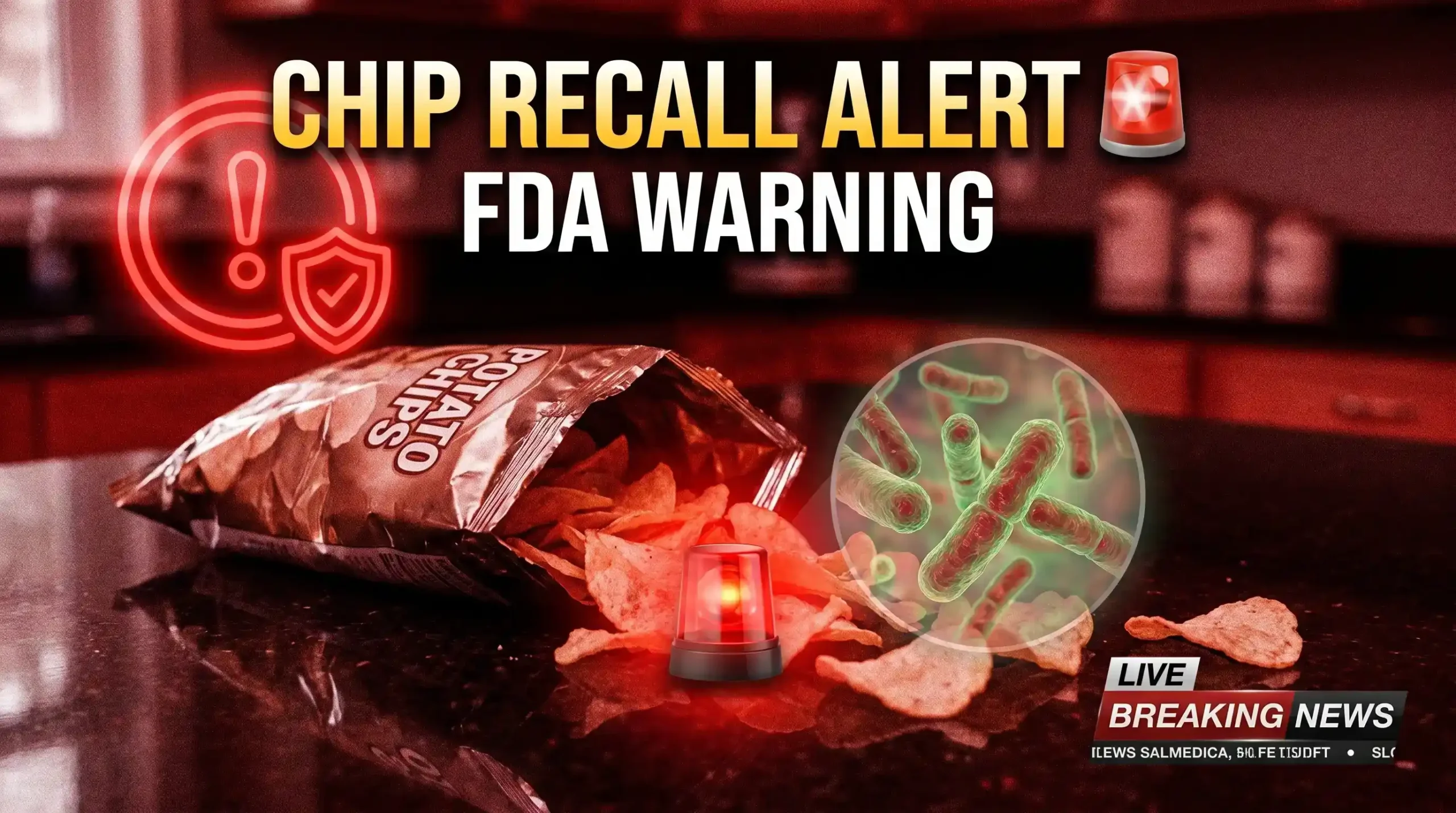
This potato chips recall fda alert is one of the most searched food safety issues in the United States right now. A massive warning is sweeping the nation. Your favorite snacks might be compromised. This is a severe public health issue requiring immediate attention.
As a market analyst tracking supply chain disruptions, I monitor these events closely. This specific recall is uniquely massive. It centers on major national brands, but consumer panic is causing searches for several regional heavyweights to spike simultaneously. People are understandably worried. They should be cautious.
Salmonella can cause serious illness, especially in vulnerable groups like children and older adults. Read this report carefully. Know the facts. Protect your household.
Quick Recall Summary
- Brand: Utz, Zapp’s, Dirty Chips
- Issue: Potential Salmonella contamination
- Source: Contaminated seasoning (dry milk powder)
- Action: Check FDA notice and discard affected products
Which potato chips are recalled by the FDA?
According to the latest potato chips recall fda notice, these are the currently affected brands.
The U.S. Food and Drug Administration has issued a stern warning. Utz Quality Foods initiated a massive voluntary recall covering specific batches of their seasoned products.
The primary culprit is not the potato. It is not the frying oil. It is the complex seasoning dust applied to the chips after frying. Specifically, a dry buttermilk powder used in that seasoning tested positive for potential contamination.
The recall was linked to a contaminated seasoning ingredient sourced from a third-party dairy supplier, highlighting a broader supply chain vulnerability.
Right now, the confirmed FDA hits are heavily concentrated on specific Utz-owned labels. The utz potato chip recall salmonella headlines are dominating the news cycle. If you have the following brands in your cabinet, you need to verify their status immediately:
- Zapp’s Potato Chips: Multiple seasoned varieties, including their popular Cajun and Ranch flavors, are under strict scrutiny. The zapps potato chips recall is the most widely shared warning right now due to the brand’s national footprint.
- Dirty Potato Chips: Known for their premium kettle-cooked texture, several seasoned batches of Dirty chips are actively included in this alert.
- Utz Brand Seasoned Chips: Various sizes of their seasoned lineup are being pulled from store shelves nationwide.
Do not guess. Consumers should check the official FDA recall notice for exact lot numbers and UPC codes. Those alphanumeric codes are the only way to confirm if your specific bag is dangerous.
Why Are Unaffected Brands Trending in Search Data?
Panic is highly contagious. The internet is currently flooded with misinformation.
Because Utz is a massive conglomerate, consumers are rapidly checking every seasoned snack in their possession. This fear is driving massive, unverified search spikes for independent and regional brands.
Let us clarify the data.
Right now, route 11 potato chips are seeing heavy search volume. Consumers in Ohio are frantically Googling ballreich potato chips. Pennsylvania snackers are deeply concerned about middleswarth potato chips. We are even tracking urgent inquiries regarding tgi fridays potato skins chips and niche, organic labels like humble potato chips.
To be absolutely clear: These brands are currently trending due to consumer fear, but they are not listed in the current FDA recall notice.
However, this widespread panic illustrates a fundamental truth about the modern food industry. Consumers know that massive centralized flavor houses engineer the cheese and sour cream profiles for dozens of competing labels. When one major snack conglomerate falls victim to a dairy pathogen, the ripple effect causes every consumer to question the safety of their preferred brand. The fear is completely rational, even if the specific chips remain safe.
What is Salmonella and What Are the Symptoms?
People often hear the word “Salmonella” and assume it is a minor stomach bug. It is not. It is a highly resilient, vicious bacterium.
It invades your intestinal tract aggressively. For a healthy adult, it means days of severe discomfort. For vulnerable demographics, it is a medical emergency. The young, the frail, the elderly, and the immunocompromised face severe risks.
This bacterium is stealthy. It does not change the taste of the food. It does not alter the smell. A contaminated chip tastes exactly like a safe chip. You have no biological warning system until the bacteria activates inside your gut.
The Stealth Nature of Dry Pathogens
How does a bacterium survive on a dry snack? Science shows that Salmonella is incredibly adaptable. It survives in low-moisture environments for months. Spices, dry milk powder, and seasoning dust are perfect transport vehicles. It goes dormant. Once you ingest it, your internal body moisture activates it.
Monitor your body closely. The incubation period is deceptive. It usually takes 6 hours to 6 days for the infection to take hold.
Watch for these classic symptoms of salmonella:
- High, persistent fever.
- Severe diarrhea, which may frequently be bloody.
- Nausea and violent vomiting.
- Intense, sharp abdominal cramping.
If you experience these, do not ignore them. Call your doctor immediately. Stay heavily hydrated. Dehydration is a silent, rapid threat during an intestinal infection.
The Supply Chain Vulnerability: An Analyst’s Perspective
Let us look at the raw economics. I analyze corporate data. Product recalls are unmitigated financial disasters.
When a major FDA food safety alert 2026 hits the wires, the financial costs compound instantly. The company must physically pull the product from thousands of stores. They issue mass refunds. They halt active production lines. They launch expensive public relations campaigns to desperately salvage consumer trust.
Understanding how supply chain failures impact industries is critical in today’s economy.
The Hidden Costs of Co-Packing and Consolidation
This specific alert exposes a glaring systemic flaw. Extreme corporate consolidation.
Fifty years ago, regional snack brands made everything in-house. Today, the industry outsources heavily. They use co-packers. They buy bulk ingredients from massive, centralized processing plants. A single dairy facility in California might produce the dry milk powder for fifty different snack brands nationwide.
From a purely financial standpoint, this consolidation is brilliant for profit margins. It dramatically lowers the cost of goods sold. However, it introduces massive systemic risk. A tiny lapse in sanitation at a single third-party facility triggers a nationwide corporate crisis. It forces multiple companies to recall millions of dollars of active inventory.
Wall Street hates this unpredictable risk. It destroys forward-looking revenue projections. It creates sudden, violent volatility in food and beverage stocks.
The Retailer Nightmare
Think about the physical logistics at your local grocery store. Chaos ensues.
Managers at national chains and local mom-and-pop shops get the urgent bulletin. Employees must physically scan the aisles. They have to check the backroom inventory manually. They pull hundreds of bags off the shelves and quarantine the contaminated product securely.
Then comes the financial reconciliation. The retailer demands a massive credit from the regional distributor. The distributor demands credit from the manufacturer. It is an accounting nightmare that takes months to untangle. All because of microscopic bacteria in a batch of dry seasoning.
What should you do if you bought recalled chips?
You found a potentially recalled bag in your kitchen. Do not panic. Act methodically. Follow these exact steps precisely.
First, do not open the bag. If it is already open, seal it tightly in a secondary plastic bag immediately to prevent cross-contamination.
Second, verify the data. Go directly to the FDA’s official recall portal. Match the UPC code on the back of your bag and the “Best By” date printed on the front with the official federal registry.
Third, sanitize your environment. If those chips touched a serving bowl, wash that bowl with scalding hot, soapy water. Wipe down your kitchen counters with antibacterial spray. Wash your hands thoroughly for at least twenty seconds. Salmonella spreads easily from surfaces to hands to mouths.
How to Secure Your Refund
You paid for a safe product. You deserve your money back. The companies legally want to make this right.
Take a clear, well-lit photo of the bag. Make sure the batch code and expiration date are fully legible in the picture. Then, throw the physical bag in the outside trash bin securely. Do not let pets or wild animals access it.
Next, contact the brand’s Customer Care team directly via the phone number or email address listed on the back of the packaging. Provide your photographic proof. They will issue a full replacement voucher or a direct refund.
Do not return the open bags to the grocery store. Health officials strongly advise against bringing potentially contaminated food back into retail environments where it could infect other products or staff.
The Final Word on Consumer Vigilance
We expect our food supply to be bulletproof. We pay a premium for heritage brands we trust. When that sacred trust fractures, strict accountability must follow.
The current recall crisis is a massive wake-up call for the American consumer. It proves unequivocally that no brand is completely immune to upstream supply chain failures. You must stay permanently vigilant.
Pay close attention to official health alerts. Monitor your family vigilantly for illness. Hold giant food conglomerates to the highest possible safety standards. Your health is the most valuable asset you own. Protect it ruthlessly.
This is not just a recall. It is a warning about how fragile the modern food system really is.
If you want to stay ahead of sudden market disruptions, supply chain crises, and urgent consumer safety alerts, you need accurate data fast. Subscribe to our daily analytical newsletter today. We deliver brutal honesty and actionable intelligence straight to your inbox.
Disclaimer: This report is based on publicly available FDA and media sources. Consumers should verify product details, lot numbers, and safety instructions directly from official recall notices at FDA.gov.
About the Author